This post is written as part of the Women’s History Month Cranky Ladies of History blog tour. If you would like to read more about cranky ladies from the past, you might like to support the FableCroft Publishing Pozible campaign, crowd-funding an anthology of short stories about Cranky Ladies of History from all over the world.
 Lina Stern (1878-1968) was a Russian biochemist whose work predominantly centred on the blood-brain barrier. She was also a member of the Jewish Anti-Fascist Committee, which got onto the bad side of Joseph Stalin and led to her arrest, along with other committee members, on the grounds of treason and espionage.
Lina was the only survivor of the show trial that followed. On August 12, 1952, in what came to be known as “The Night of the Murdered Poets”, thirteen of her fellow committee members were executed by firing squad. Lina was spared solely because of her scientific ability. She was informed by the judge that she was as culpable as the rest, and was to be sent to a labour camp in lieu of execution because her work in physiology was of use to the state.
Lina Stern was 74 years old, and she was the only survivor. She was 74 years old when she was shipped into exile, far from her home and what remained of her friends, and with none of the work that she loved to cheer her. I think Lina must have been unbearably sad, felt unbearably guilty. To be the only one who survived – who would feel no guilt at that? Yet I also think that she must have been unbearably, unquenchably, undeniably angry. Who, again, would not be?
We can only surmise this anger. Ten months into her exile, Joseph Stalin died (and wouldn’t Lina have been pleased to hear that, out in the wastelands, out beyond the black stump in a place that echoed with gunshots). She was brought home, exonerated, restored to standing and to science. It had all been a dreadful misunderstanding, such a shame.
She must have felt the scepticism as a hammer blow. They say the best revenge is living well. Lina came back from exile and back to science, regained prestige and position and respect. She lived well and she lived on.
But Lina Stern never spoke of her time in exile. She took it to her grave. This is something I find terribly interesting. Of course, that ten months would have been an education enough in political realities to stifle any tongue. Stalin might have been dead but he didn’t take politics down with him. Discretion is still the better part, in any age – and yet, and yet. Lina had never been a pushover. She couldn’t afford to be, having had to fight for education and position in a time when women were routinely denied both. She survived prison and interrogation and exile, cruelty and contempt and ingratitude. You can’t fight and survive and learn fear as she learnt it and not know how to be angry, how to channel that anger.
There is power in being a cranky old lady, and power in knowing how and when to hide it. Anger has many faces, and some of them are deceptive. I think Lina learned anger very well indeed. She was practiced in learning, and she was never one to miss an opportunity.
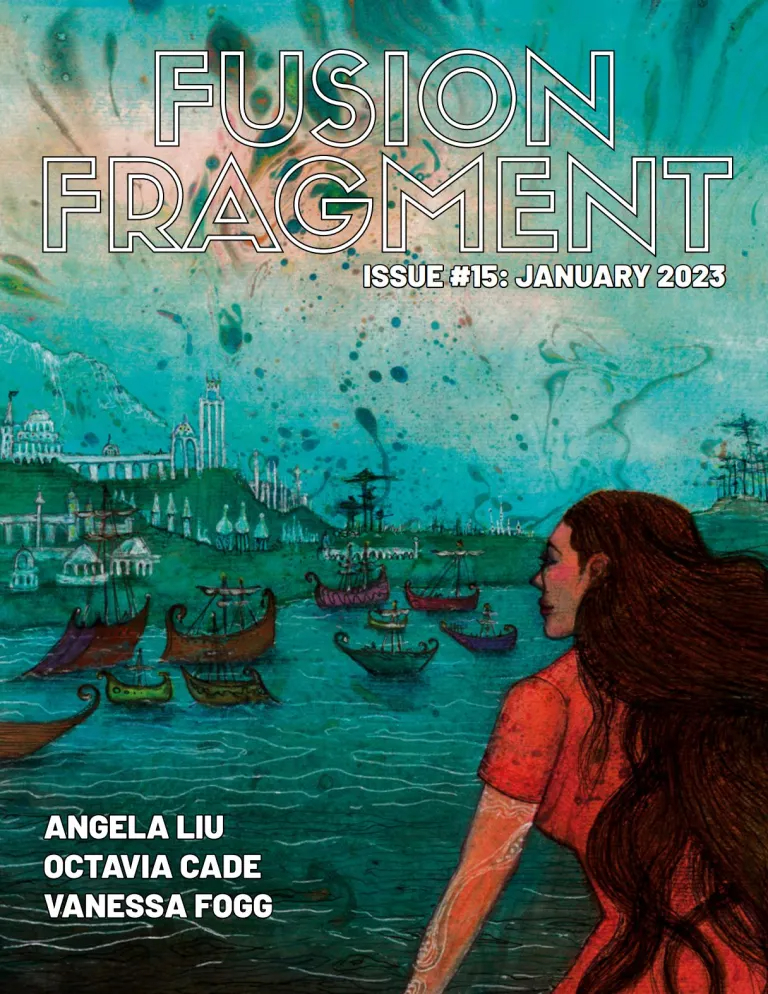 I have a new reprint out! My story “The Meiosis of Cells and Exile,” originally published in Asimov’s, is out in the January issue of Fusion Fragment, which is dedicated to novelettes. I love novelettes, and I’m increasingly writing more of them. They’re a great length for when you want to explore something in a little more depth than a short story would generally allow, but still don’t want to waffle on forever and ask your readers for an hour or more of attention.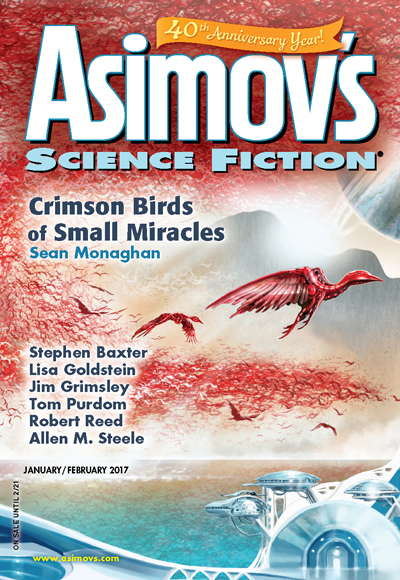

 ojcade.com