Nonfiction, SFF

Nylons, Lipstick, and Narnia

I have a new book coming out! Nylons, Lipstick, and Narnia: Rewriting Susan Pevensie in Fanfiction is due out on the 18th of August, and pre-orders are open now at Luna Press Publishing.

Like many fantasy fans, I read The Chronicles of Narnia as a child. The Lion, the Witch and the Wardrobe is actually the first book I remember reading. I got it as a Christmas present and was utterly enthralled. As the years went on I read the rest of the books in the series, and they were all fine… and then I got to The Last Battle, which remains to this day the only book I’ve ever thrown across a room in disgust.

The problem was Susan: exiled from Narnia for her disbelief and her liking for nylons, lipstick, and invitations, she was the only one of her entire family to survive the horrendous train crash that sent them all to Aslan’s country. Heaven, supposedly, and they were all so happy to be there, to die in this horrendous way, and I looked at that book – I can’t have been much older than twelve, the age that Susan was went she first went to Narnia – and was deeply, irrevocably, revolted by it.

I have held a grudge about that stupid book for decades. Then I started reading fanfiction, and I came across Narnian fanfiction, and it didn’t take very long after filtering the characters for Susan to discover that there were a lot of other people as repulsed by that storyline as I was. I started bookmarking, and then I started writing about it: how fanfiction authors were re-imagining Susan to give her a better life away from Narnia… and away from Aslan.

Good for them. I like their stories better. And I hope, if you read this, that you do to.

Papers, SFF

Worldbuilding in Ursula K. Le Guin

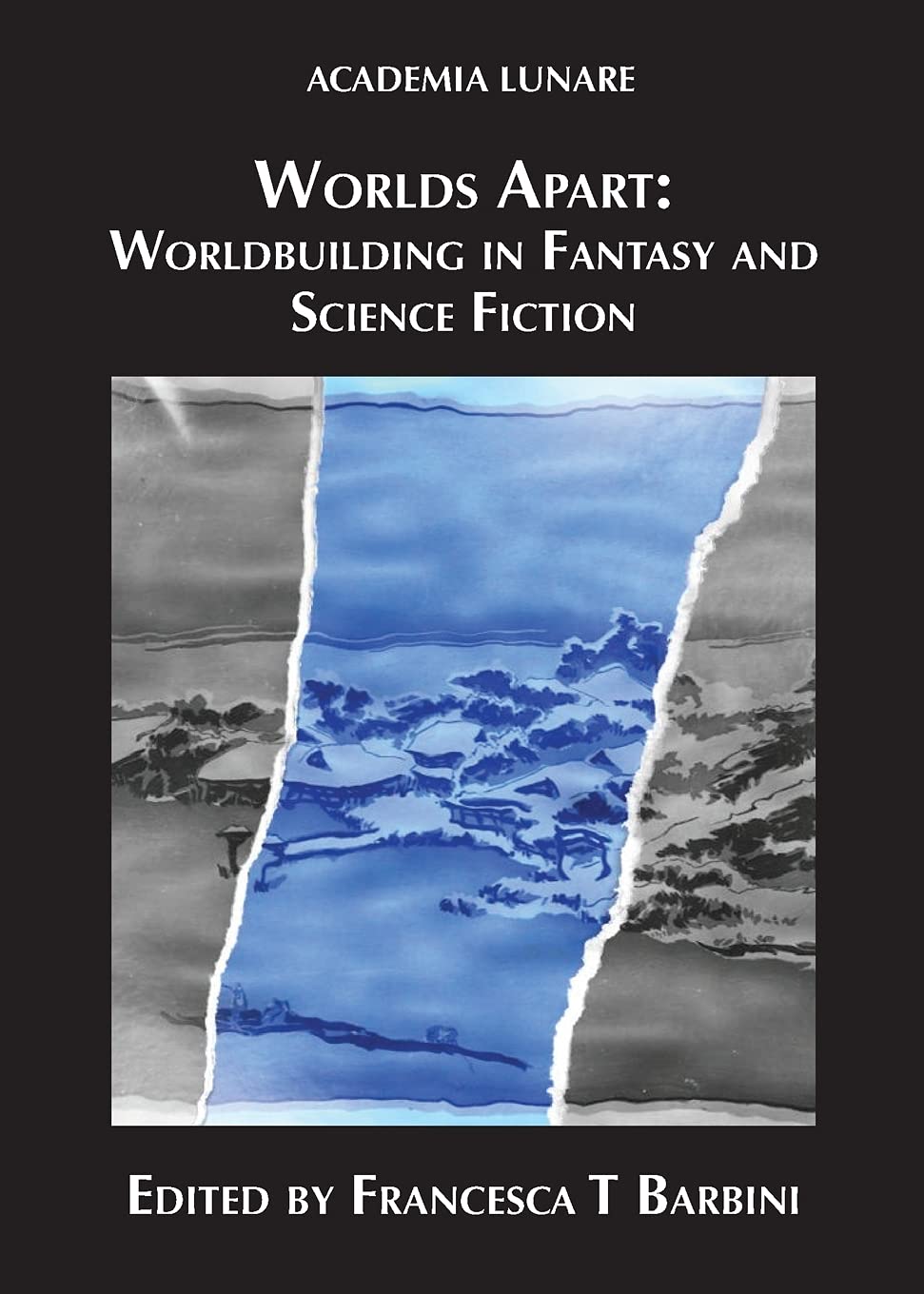
I have a new paper out! “Environmental Change as a Catalyst for Worldbuilding in Ursula K. Le Guin’s Always Coming Home” has just been published. You can find it in Worlds Apart: Worldbuilding in Fantasy and Science Fiction, edited by Francesca T. Barbini for Luna Press Publishing.

I have to admit, Always Coming Home is not my favourite Le Guin book. It’s actually quite far from my favourite. (That will forever be The Tombs of Atuan.) And if I’m being absolutely, perfectly honest, I find Always Coming Home to be over-detailed for my tastes. However, it is an absolutely excellent example of worldbuilding, and one that stems from cataclysmic environmental change. It’s part purported history, part thought experiment, part possible future, and what I find compelling amidst all that welter of detail is just how far the worldbuilding spreads. I mean, I know that in some corners of speculative fiction, writers will rabbit on forever and fucking ever about extraneous bits of encyclopaedia that are only marginally masked as story, but rarely is the focus so broad. Environmental change, in Le Guin, changes everything. Economics, family life, art, science… it’s all affected.

As an academic, that fascinates me. I’m interested in how speculative fiction deals with environmental change, and Always Coming Home is a deeply considered example of it written by someone much cleverer than me. Now, if only it had that creepy labyrinth…

Nonfiction, SFF, Uncategorized

Spring Again

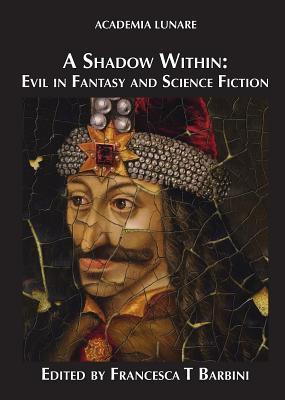
I’ve a new academic chapter out! My paper “Spring Again: The Problem of Evil and the End of Winter in C.S. Lewis’ Narnia” is out in A Shadow Within: Evil in Fantasy and Science Fiction, edited by Francesca T. Barbini from Luna Press Publishing.

My love of fantasy began with Narnia. The first book I ever really remember reading was The Lion, the Witch and the Wardrobe, which my parents gave to me on the Christmas following my fourth birthday. I spent Christmas morning tucked in a chair and enraptured, while Mum vacuumed up tinsel around me. I’d finished by lunch, and my parents (untrusting souls that they were) were so disbelieving they actually quizzed me on the contents of the book. I passed, though for the life of me I couldn’t remember that the witch’s knife was made of stone.

As an adult I still enjoy Narnia, problematic though it sometimes is. (The Last Battle, I must admit, is one of my most hated books of all time.) So when I saw the Luna Press call for papers, I thought I’d write about evil in Narnia. Here’s the abstract:

In The Chronicles of Narnia by C.S. Lewis, evil is perceived as directly resulting from personal choice. Each individual is solely responsible for their own moral decisions, and these decisions both impact the continuing ethical development of the self and influence how the individual addresses the problem of evil. This is particularly well illustrated in the case of Edmund Pevensie, and this paper argues that it is his willingness to accept and atone for the evil within himself that directly leads to the end of the enchanted winter imposed on Narnia. In this sense, evil is not only present within the individual, but is externalised in the land that that individual inhabits.

Basically, it sums up as “prophecies are always dodgy”. The Beavers have no logic, poor things.